Carbon steel is a ferrous alloy whose main alloying element is carbon, but it can also contain limited amounts of copper, manganese and silicon. The carbon gives the steel greater hardness and strength, particularly when the steel is heat treated. Read More…
Although we have over 100 years of experience, we are committed to continually expanding our offerings in all industries. We are not content to remain as we are, but we continually work to improve our products and processes each and every day.
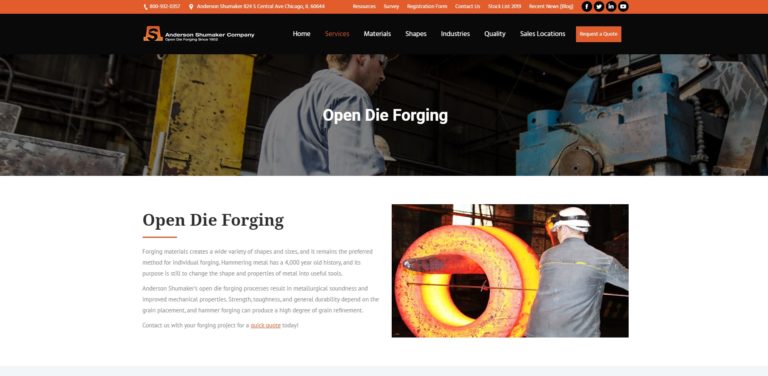
DEECO Metals has been a leading supplier and manufacturer of quality forgings, aluminum forgings, alloy steel forgings and steel forgings since 1986. Our forging presses range from 45 tons to 1600 tons. Expect exceptional service and high-quality forgings at reasonable prices.
From the first forging to the last, Walker Forge will match your exacting standards for superior consistency in die forging. Our satisfied customers will tell you that they receive the most reliable carbon alloy and stainless steel forgings – part-to-part and lot-to-lot – in medium to high-volume applications. Want to increase your products’ performance and boost productivity, choose Walker ...
At W.E. Hoban, we take pride in being a trusted name in the forging industry, delivering strength, reliability, and precision in every product we manufacture. Our expertise lies in producing high-quality forgings that meet the demanding requirements of industries ranging from heavy machinery and transportation to energy and defense.

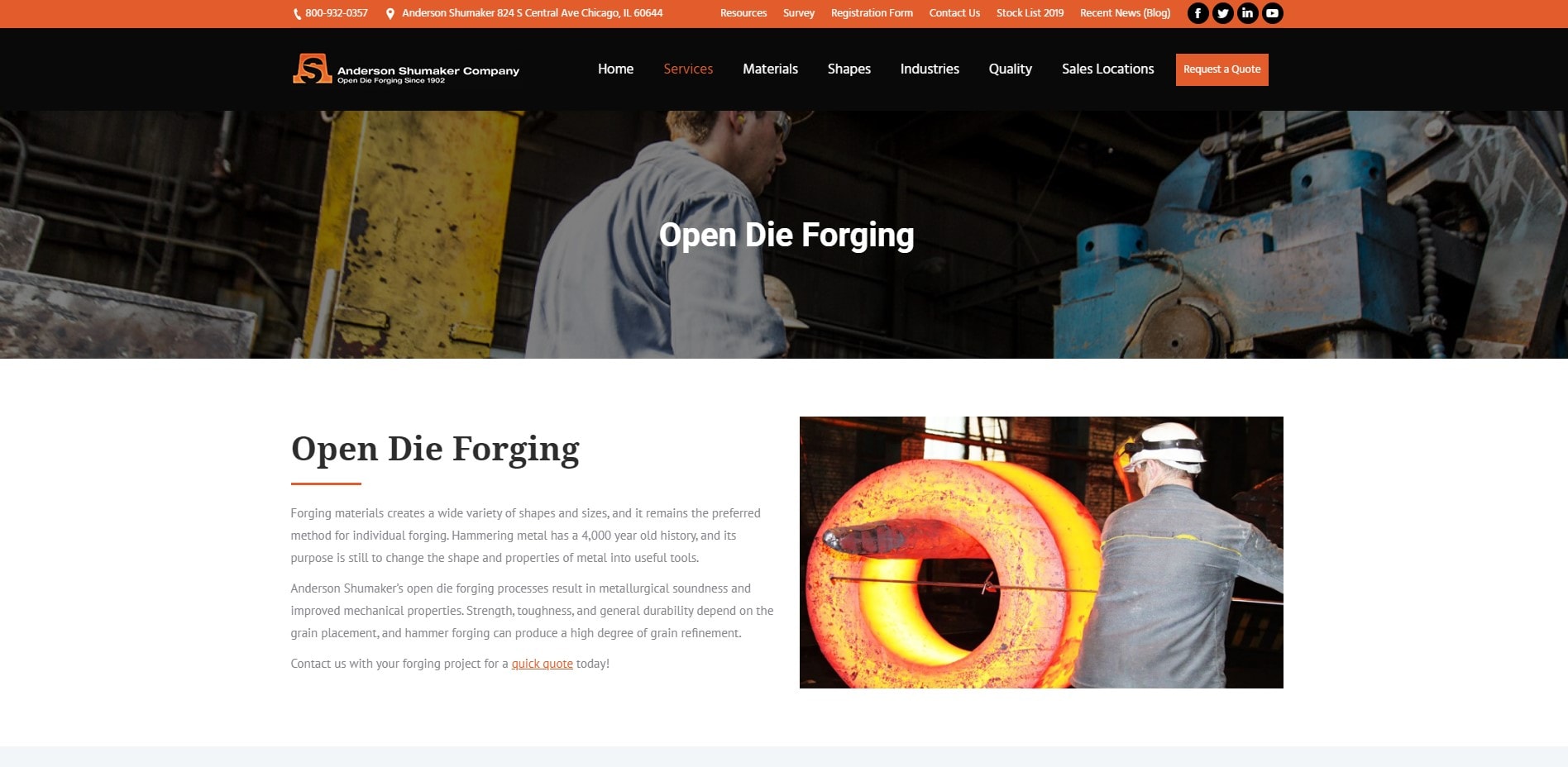
More Carbon Steel Forging Companies
Carbon steel is quite malleable, and therefore is easily processed and readily forged. Its varied response to heat treatment also lends it a sort of versatility, with different processing yielding steel with different mechanical properties. The low material cost, adaptability, great strength, and ease of manufacturing of carbon steel forgings have made them prevalent in a variety of industries, including the military, construction, aircraft, aerospace, mining, automotive, chemical, railway, oil and gas, marine, trucking, and defense industries.
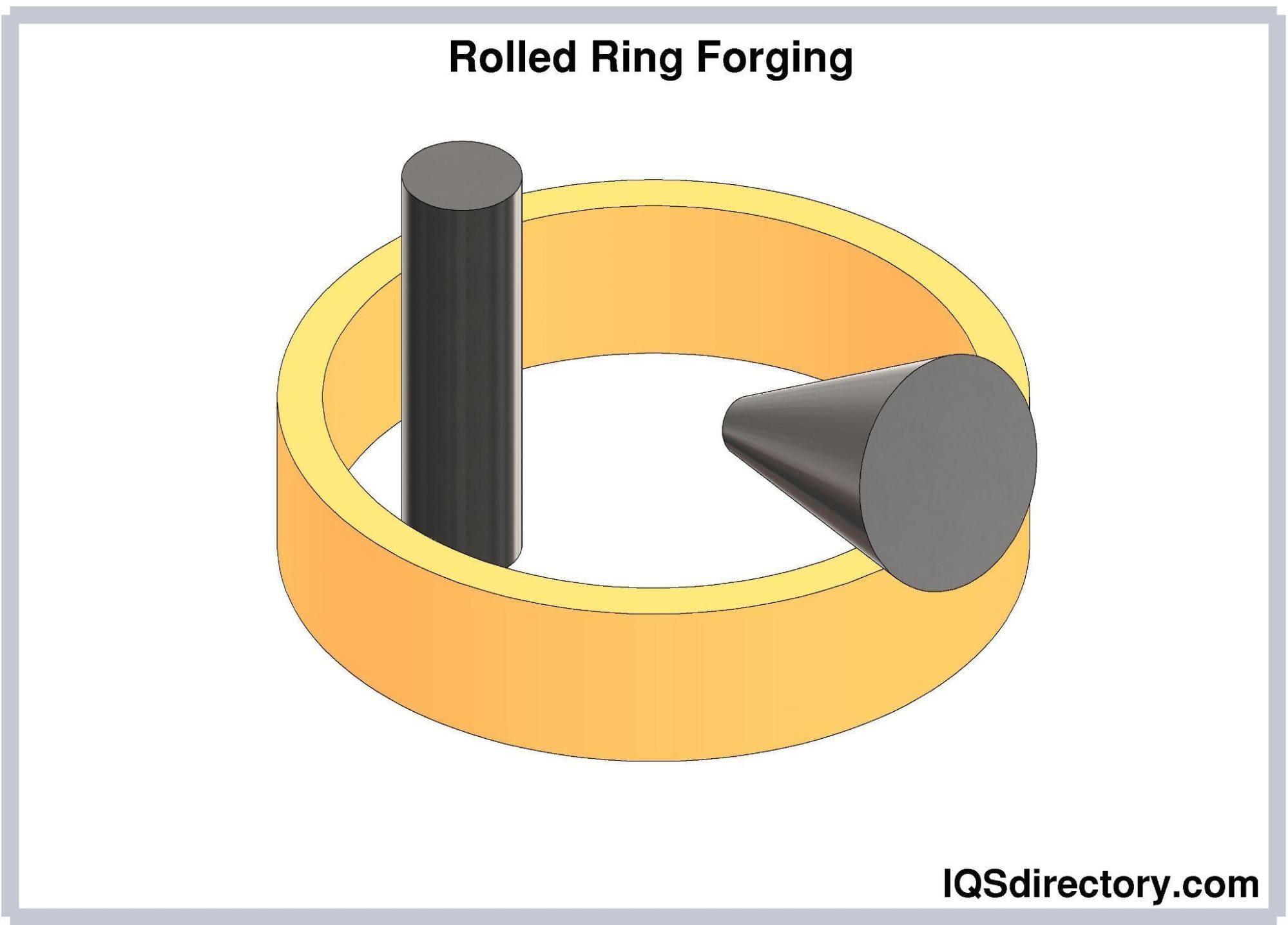
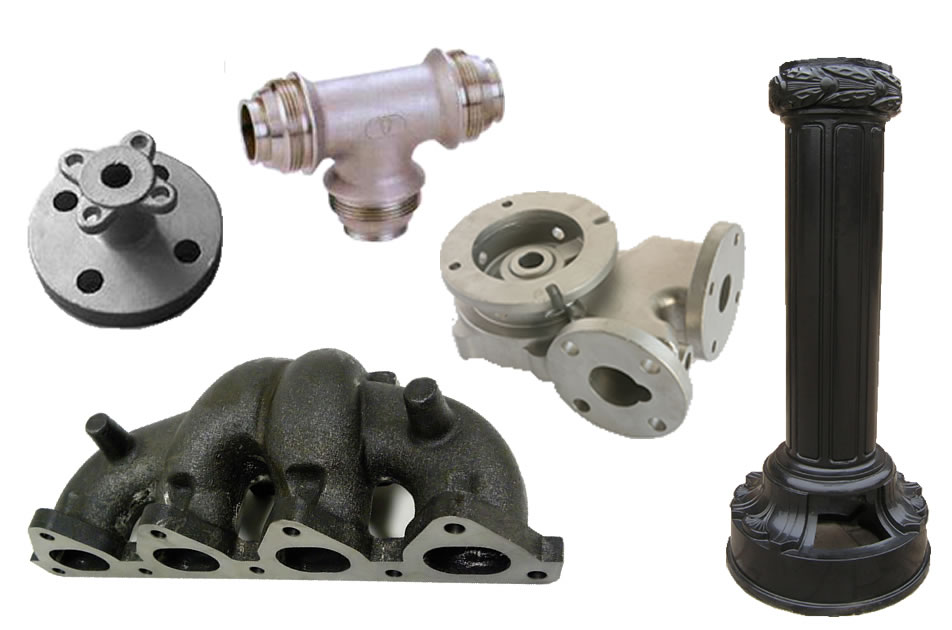
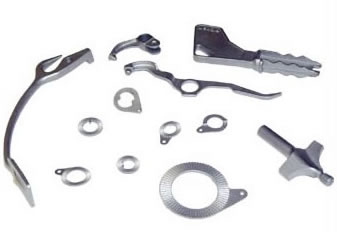
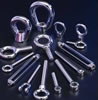
Carbon steel forgings are the most common type of forgings in use, serving as industrial components such as blocks, blanks, bars, hubs, disks, flanges, spindles, cylinders, shafts, rings, piping parts and more. Carbon steel forgings are effective in temperatures up to 900°F (482°C).
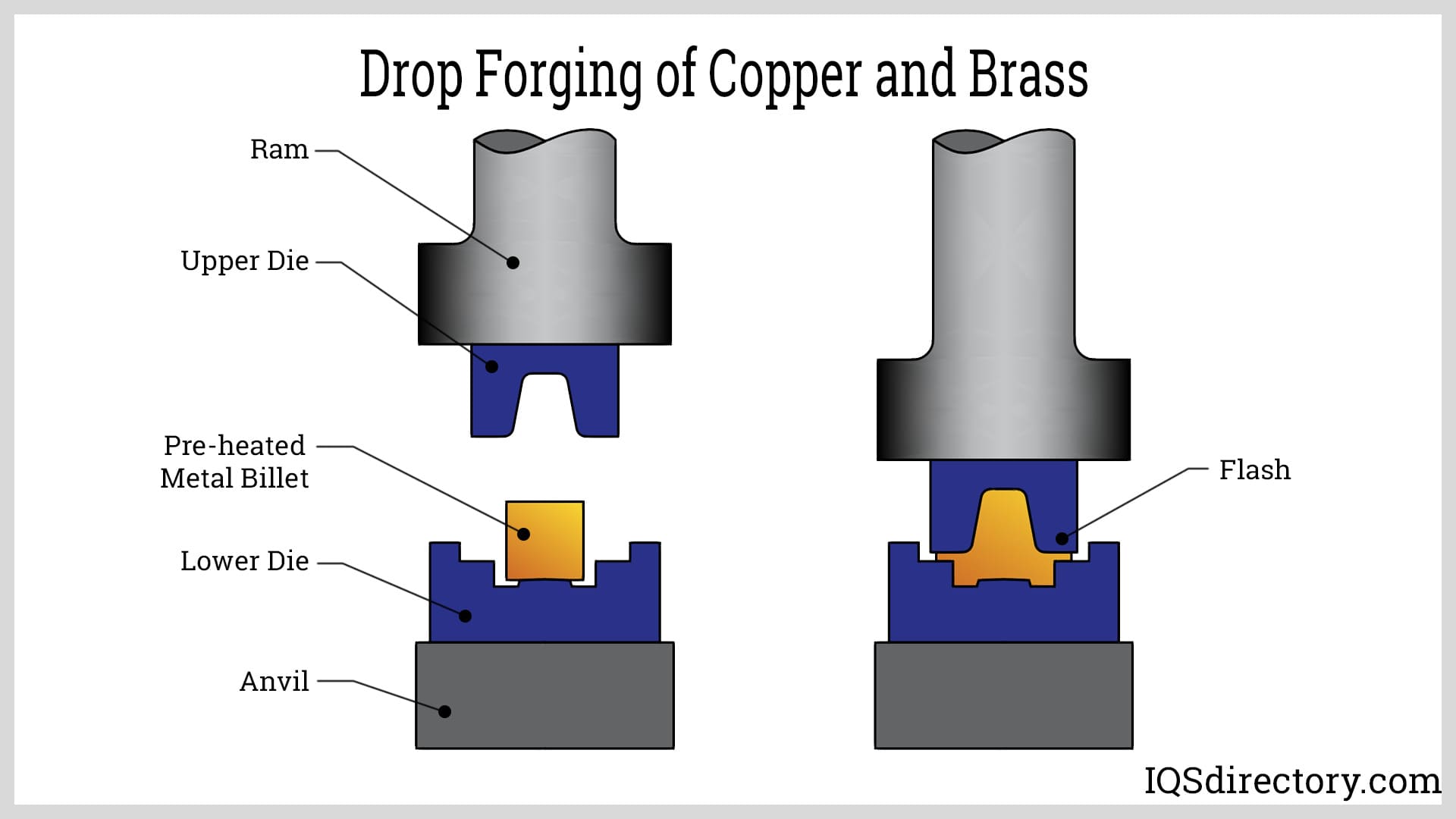
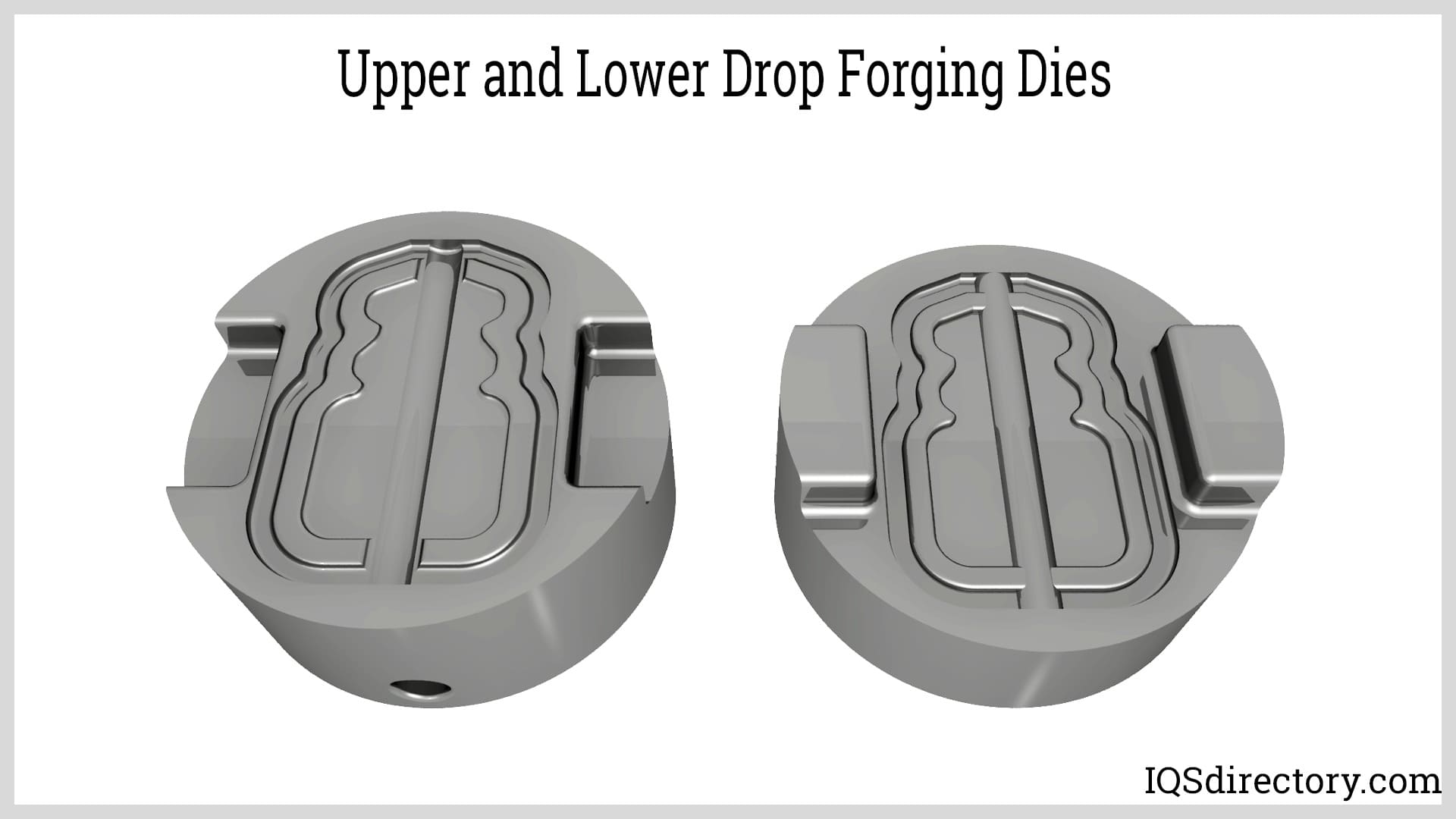
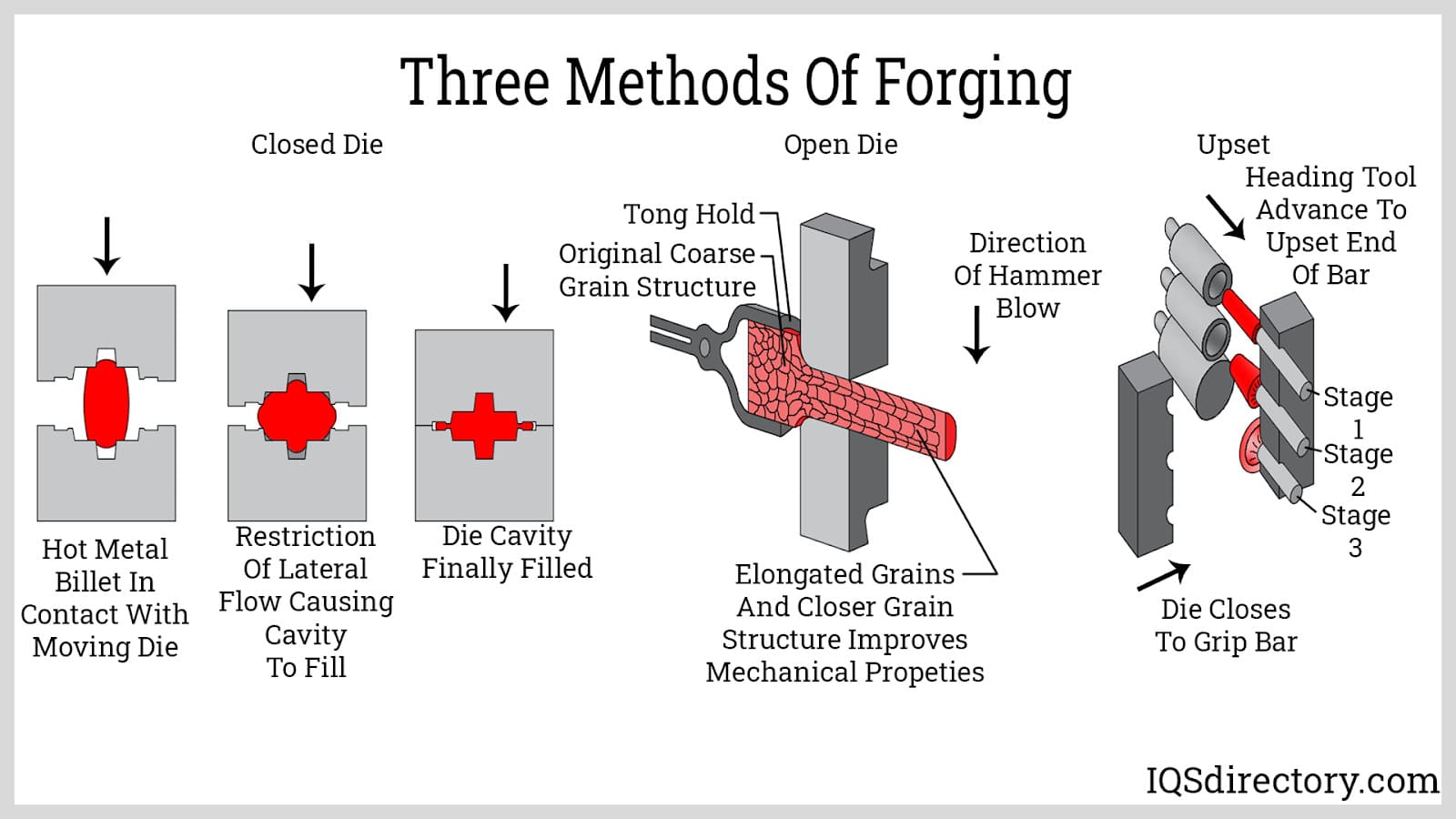
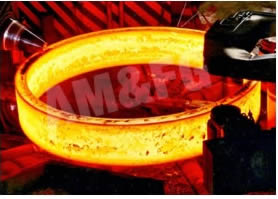
The carbon steel forging process gives the metal a dense, sophisticated structure that enhances the strength and mechanical properties of the steel while slightly reducing its size. Most often carbon steel forgings are created by heating a cast or extruded piece of steel and then using a large hammer or press that forces it to take the shape of a die.
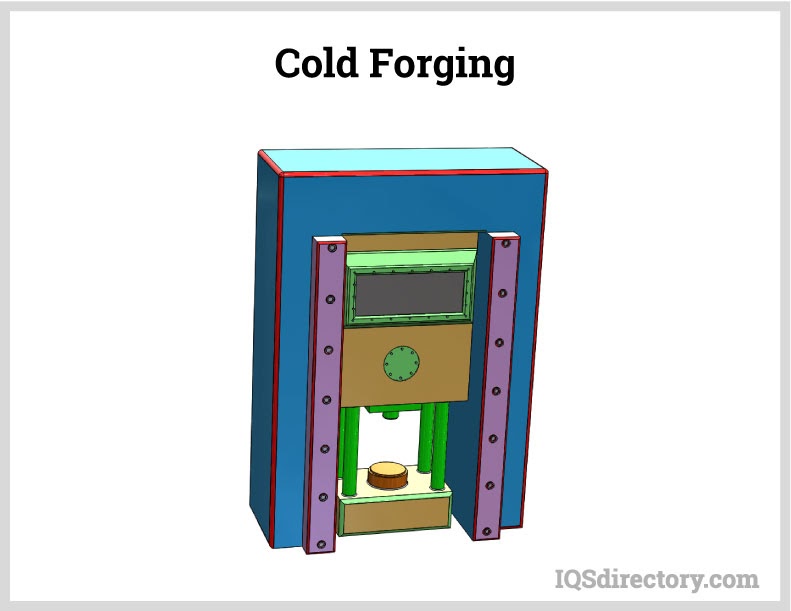
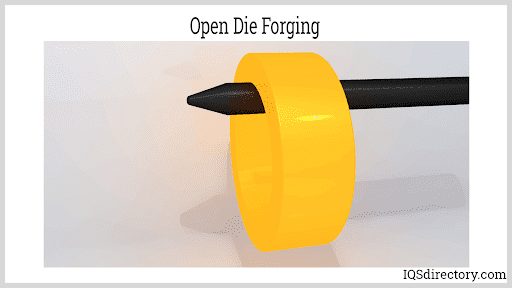
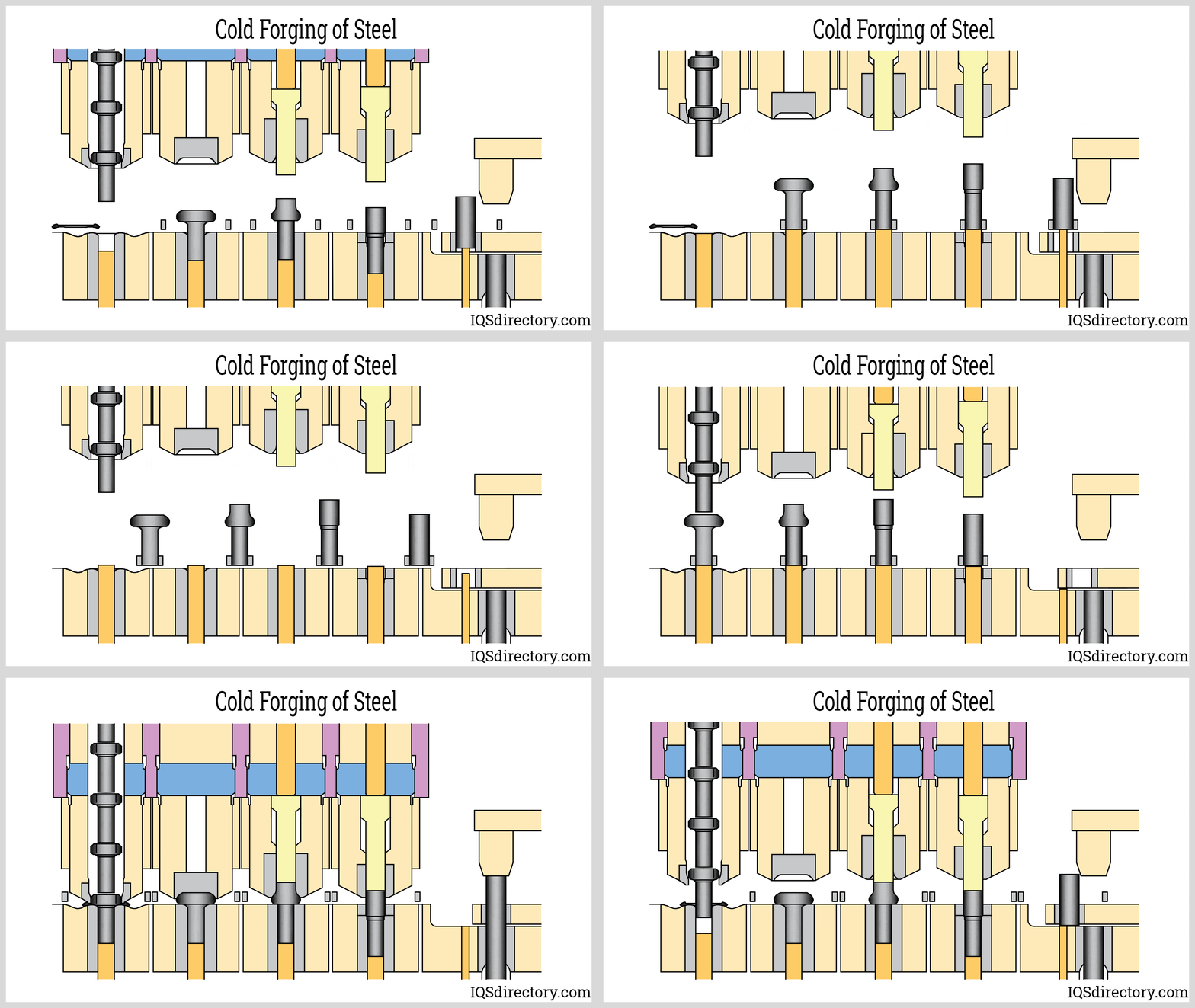
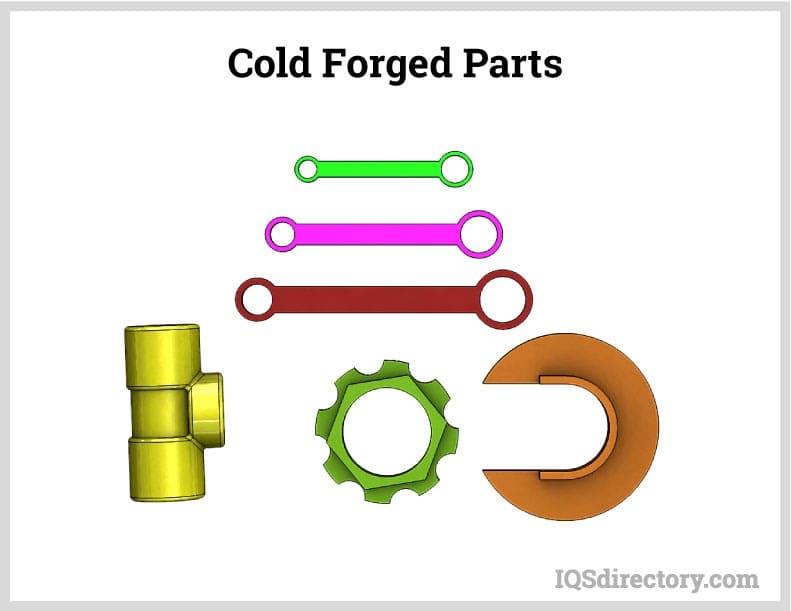
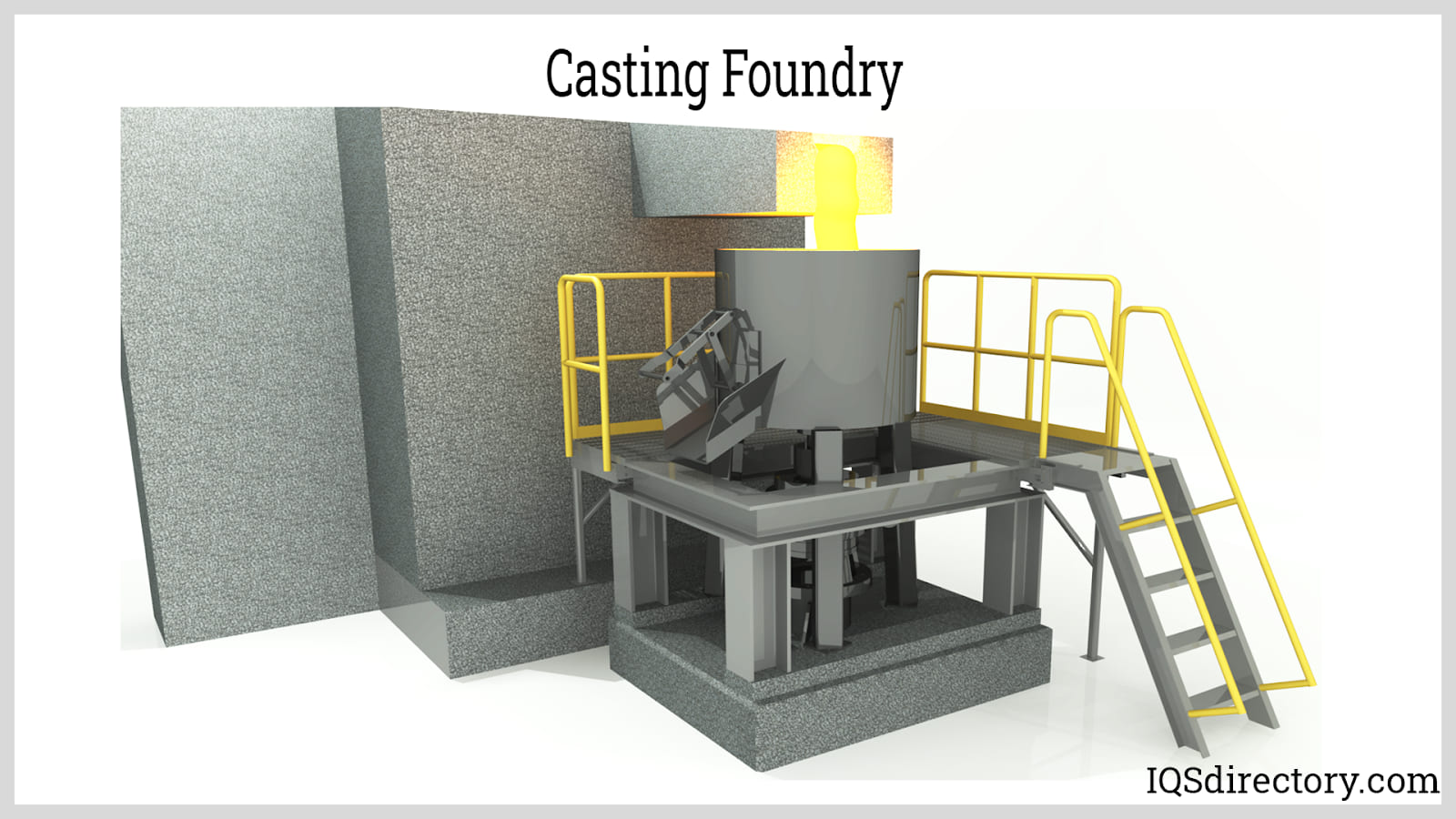
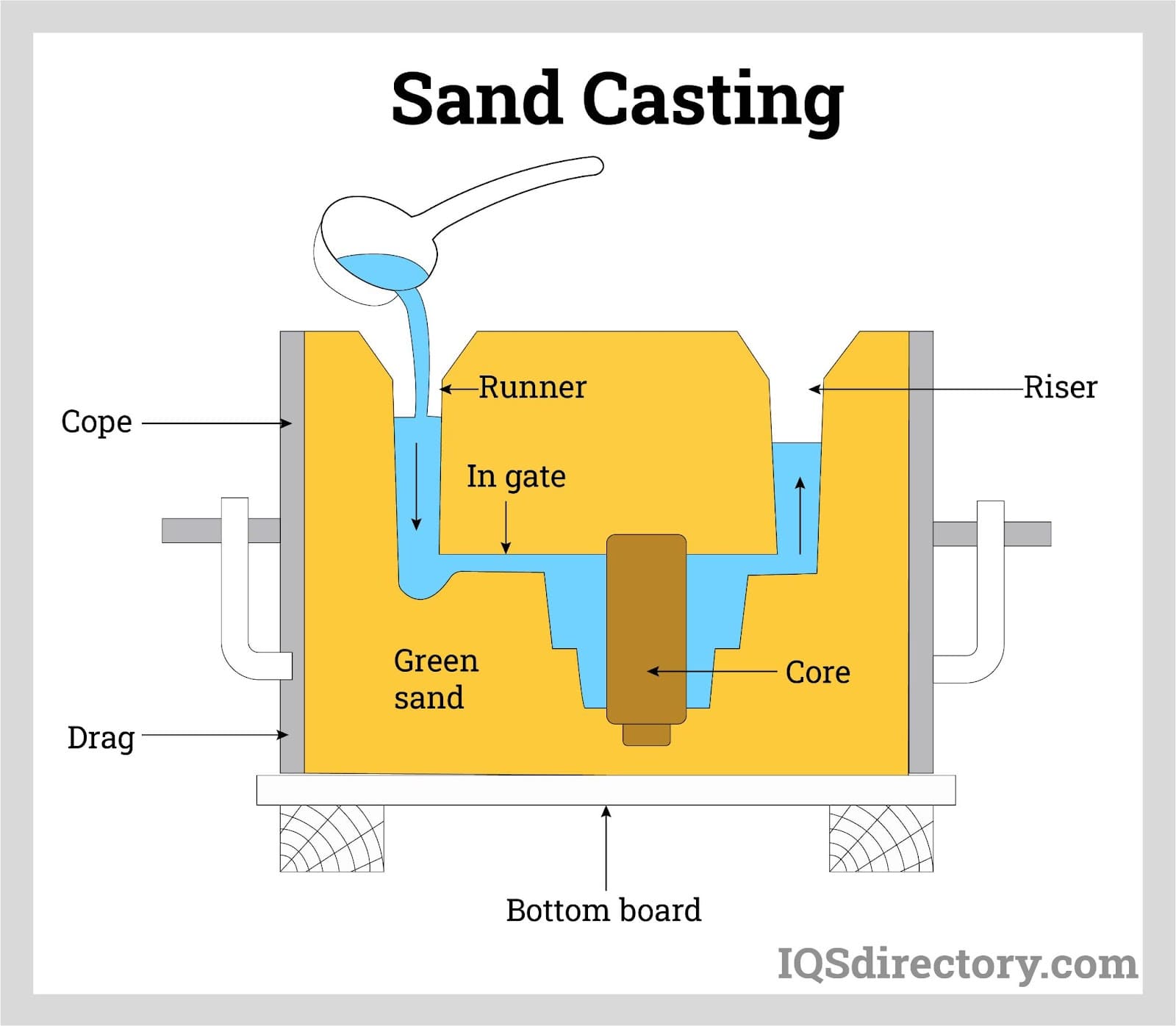
The metal is never melted or poured, as in metal casting. Instead the forging process uses intense pressure to cause the metal to flow into the desired shape. Hot forging is a very adaptable method, capable of forming all sizes and any sort of shape using either and open or a closed die. Larger quantities from 25 pounds up to 25 tons are always forged hot. Cold forging and warm forging are alternate forging techniques in which small quantities of carbon steel ranging from room temperature to a few hundred degrees Fahrenheit are hammered or pressed into a die.
Cold forging and warm forging create an even stronger forged product by a process known as work hardening, in which slight alterations are made in the crystalline structure of the metal to conform to the shape of the part. Whatever the forging method, carbon steel forgings make for high-integrity and cost-effective mechanical and industrial components.