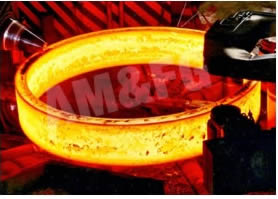
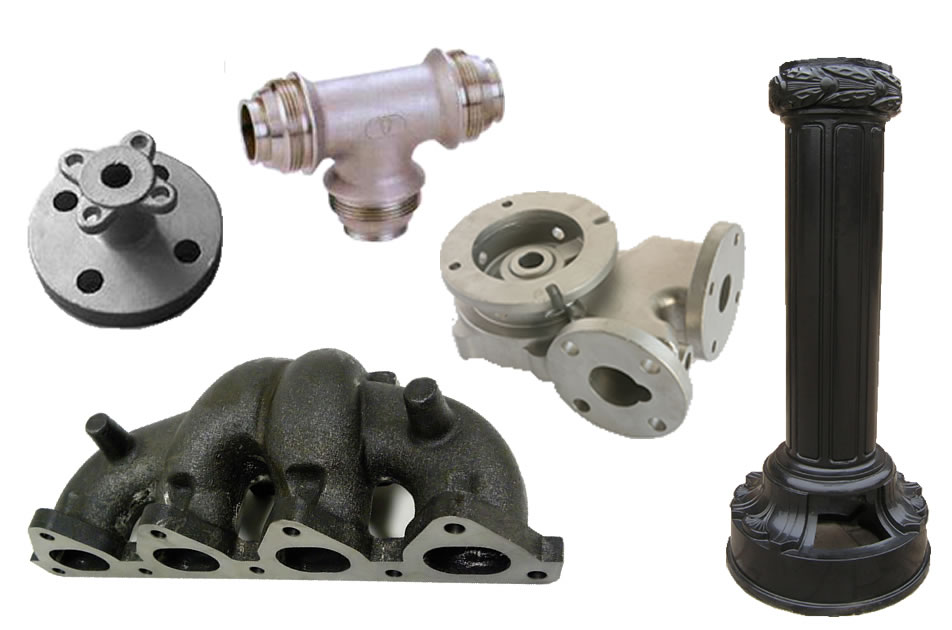
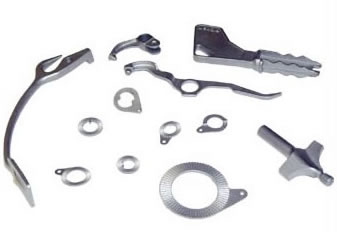
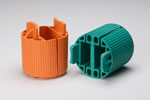
Modern forged rings have many uses, such as parts for machine tools, aerospace applications, turbines and pipe and pressure systems. These rings are usually forged with stainless steel, tool steel, aluminum, copper, steel alloy or the like. Read More…
Although we have over 100 years of experience, we are committed to continually expanding our offerings in all industries. We are not content to remain as we are, but we continually work to improve our products and processes each and every day.
Wodin manufactures upset, alloy, carbon steel, nickel, stainless steel and titanium forgings. We have expanded our forging capabilities to include a wide array of the highest quality, near-net, finished forgings in all grades of forgeable materials. We have been in business since 1967.

At Lenape Forged Products Corp., we take immense pride in our legacy of delivering high-quality forged products to a diverse array of industries. We specialize in producing precision-forged components that meet the rigorous standards required by our clients. Our extensive range of forgings includes everything from intricate custom parts to high-volume, standardized components, all meticulously...

At Cornell Forge Company, we specialize in producing high-quality forged components that deliver exceptional strength, reliability, and dimensional accuracy for critical industrial applications. We engineer our forgings to meet demanding mechanical and metallurgical requirements, using carefully controlled forging processes that enhance grain flow and structural integrity.

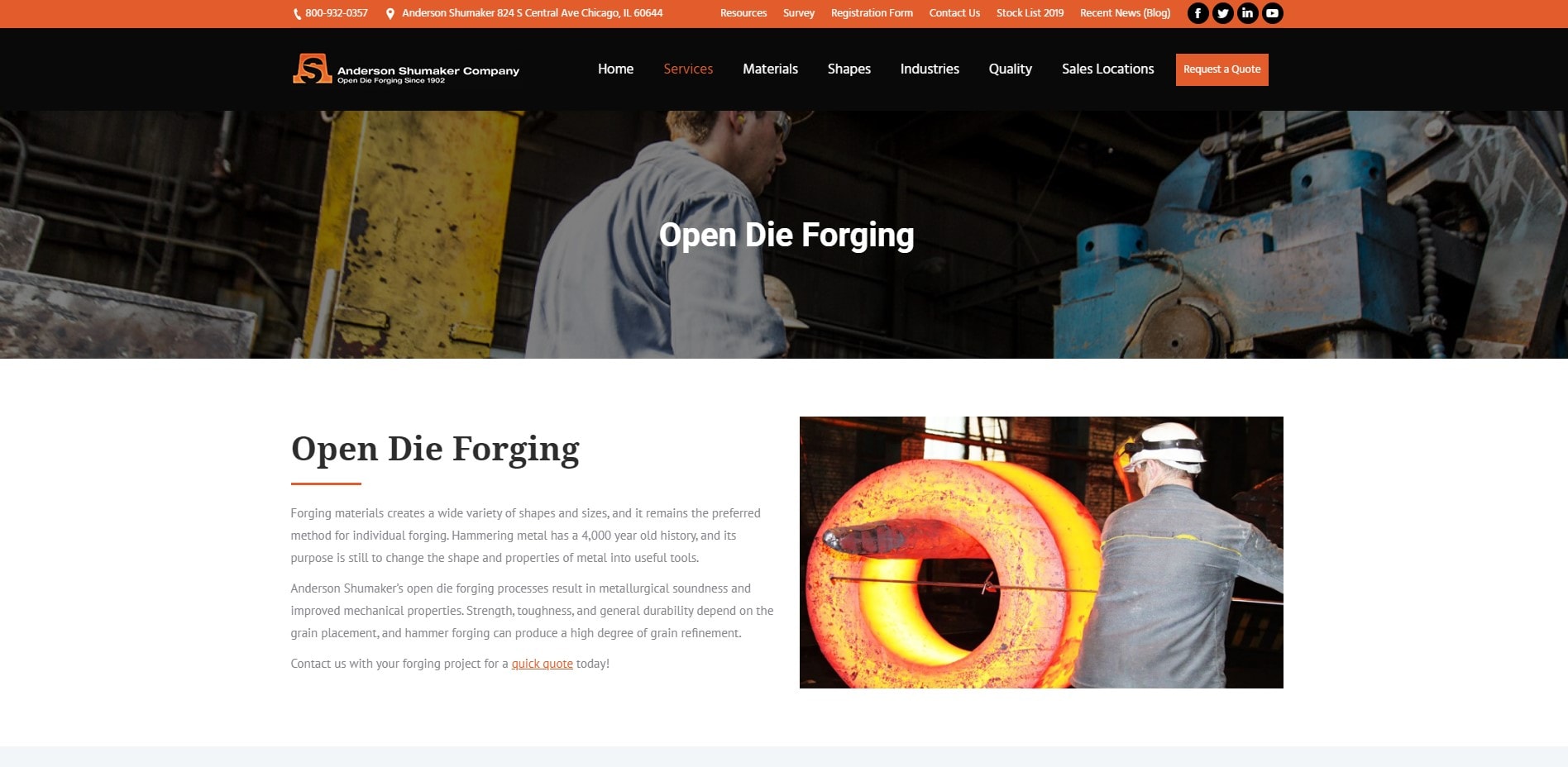

More Forging Ring Companies
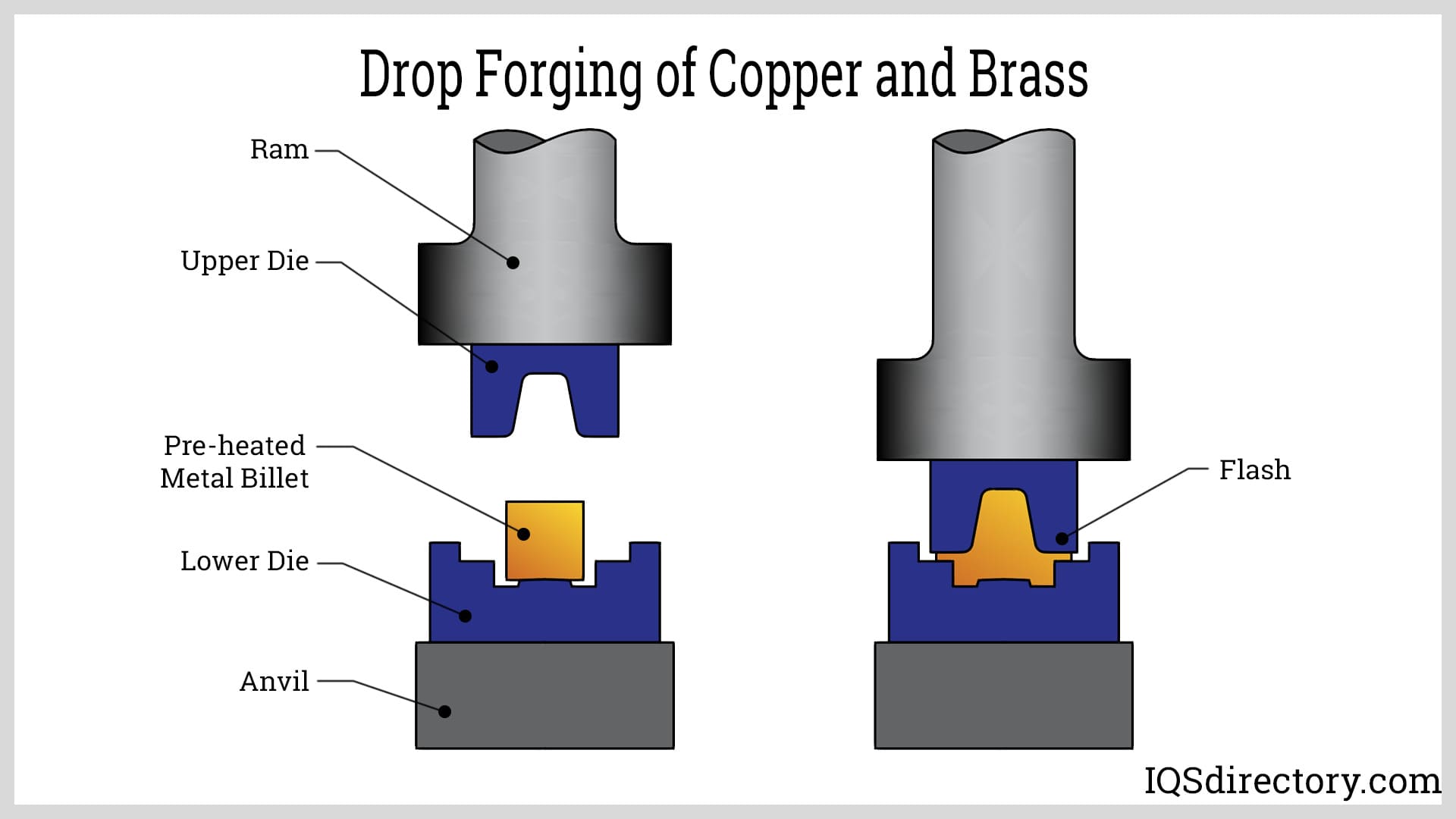
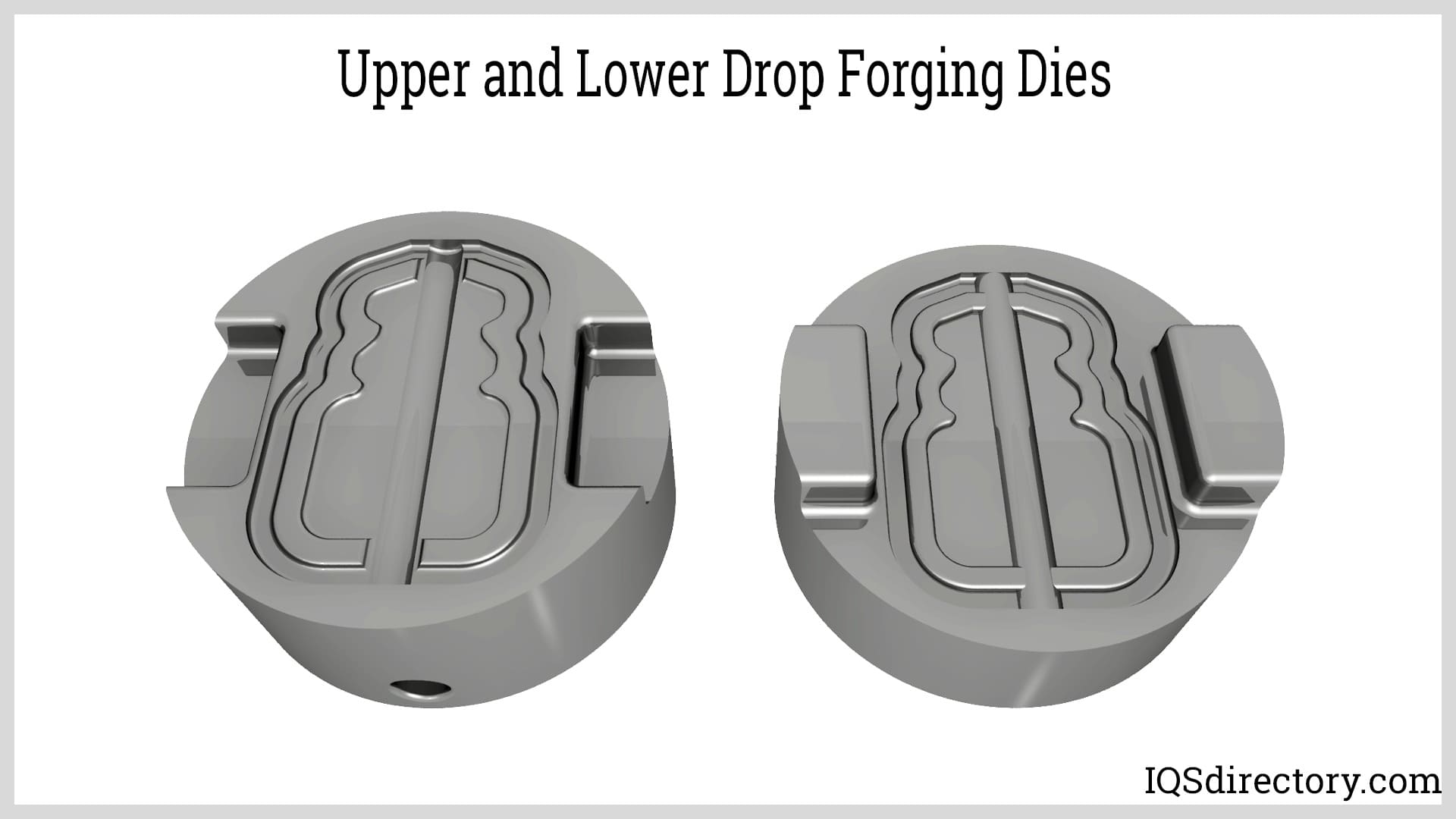
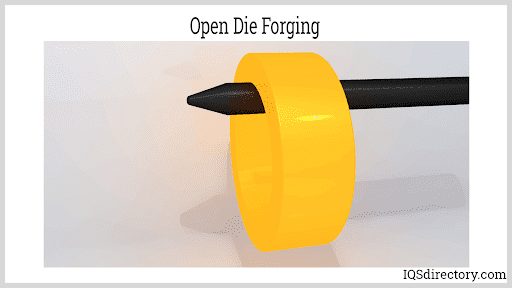
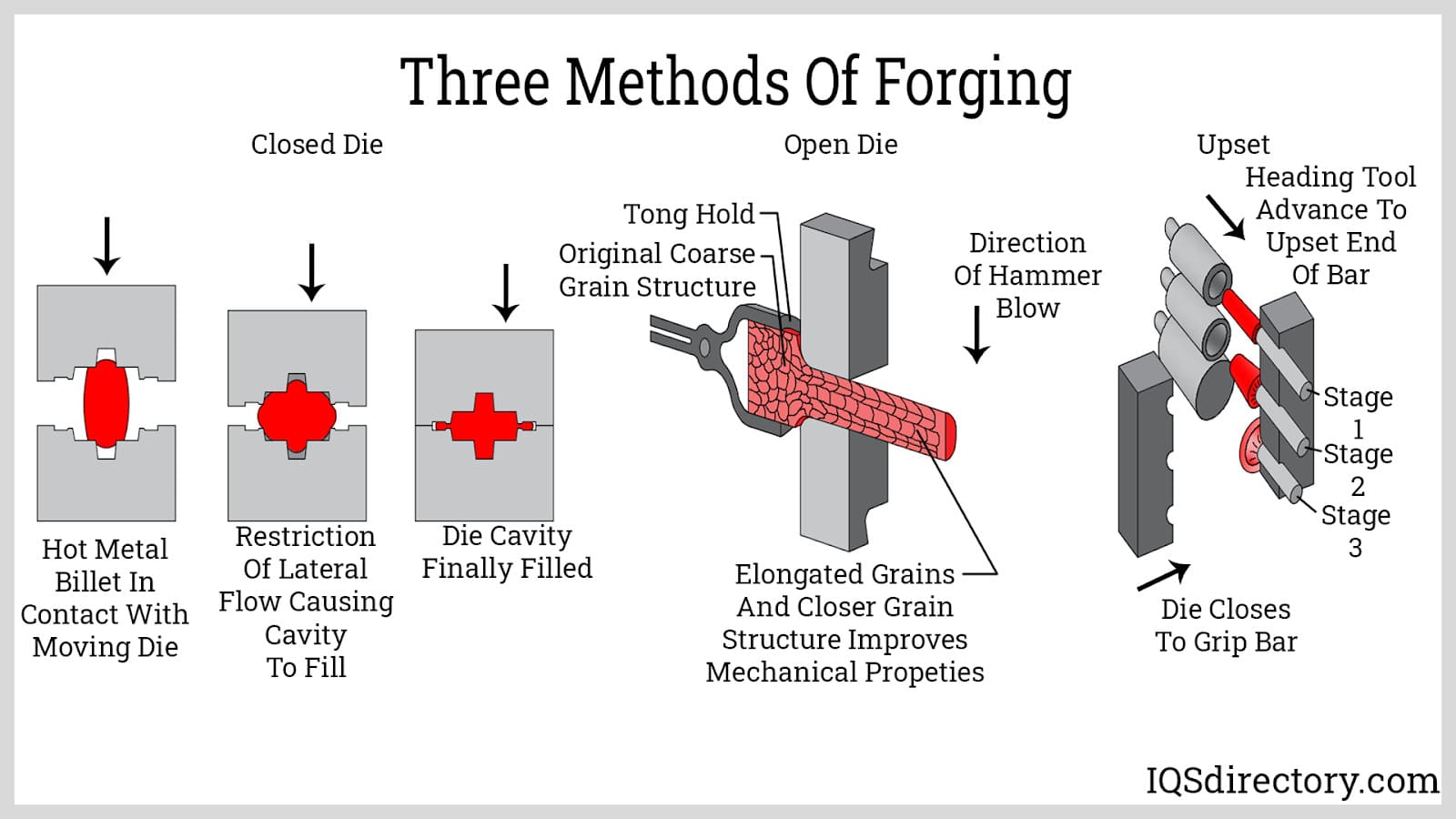
Using one method of forging, a stock is first cut to length, upset and then pierced through the middle to create a hole in the center. (The process of upsetting decreases the metal's length and increases its cross-section.) After being pierced, the piece is placed on a mandrel or saddle, where the shape is formed by the up and down motion of a forging die. The forging die hammers the metal from above, as the work is rotated incrementally in a series of steps meant to eventually achieve the ring's final size.
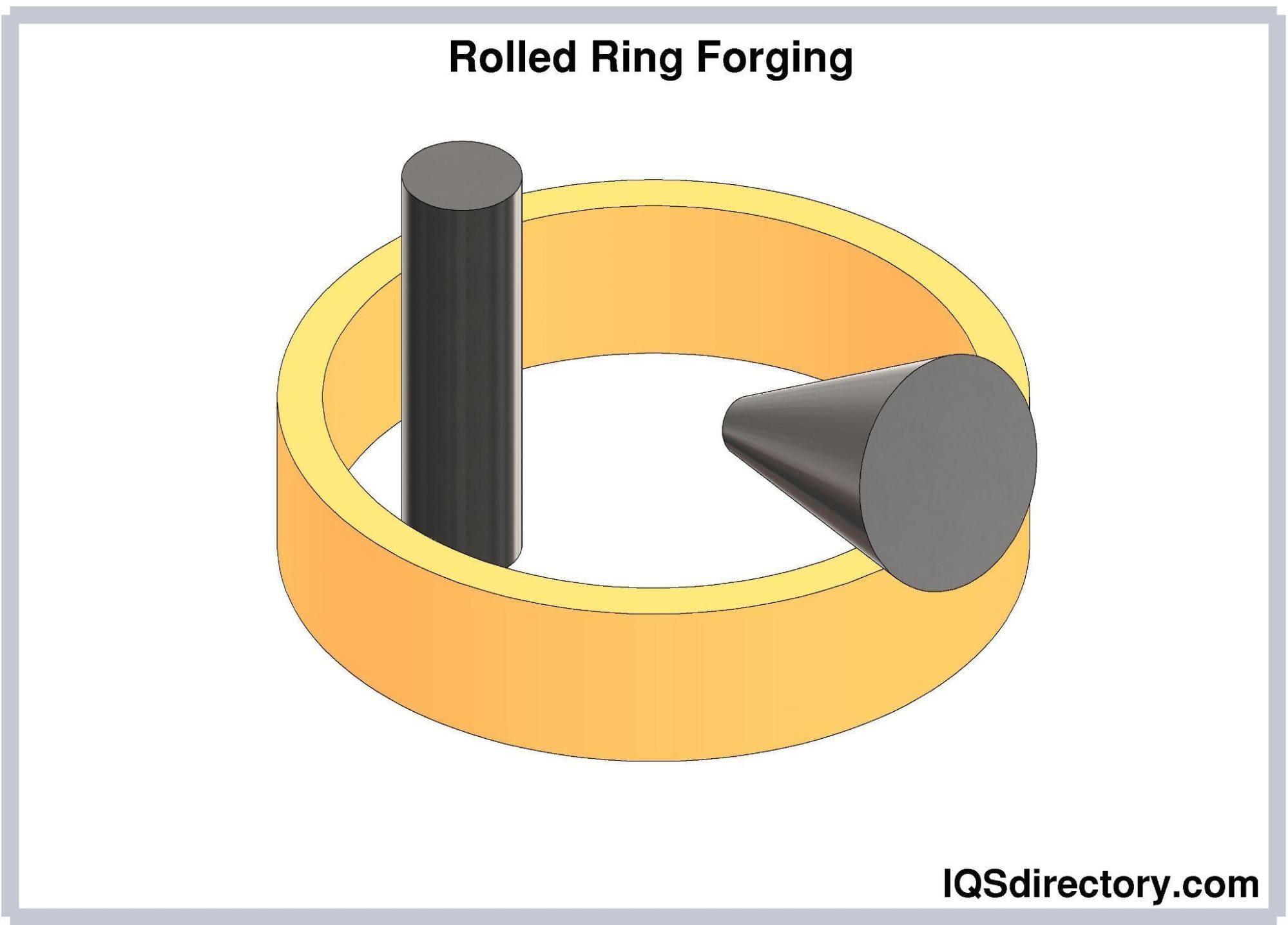
Another method of forging rings is called roll forging. In roll forging, a round or flat bar is increased in length and decreased in thickness through the use of two cylindrical or semi-cylindrical rolls, each containing one or more shaped grooves. A heated bar is inserted into the rolls, which rotate when the bar hits a certain spot, progressively shaping the bar as it rolls.
The bar is then inserted into the next set of grooves, or returned to the same grooves, where the process repeats. This goes on until the intended shape and size of the piece is achieved. The process of ring rolling produces seamless rings.
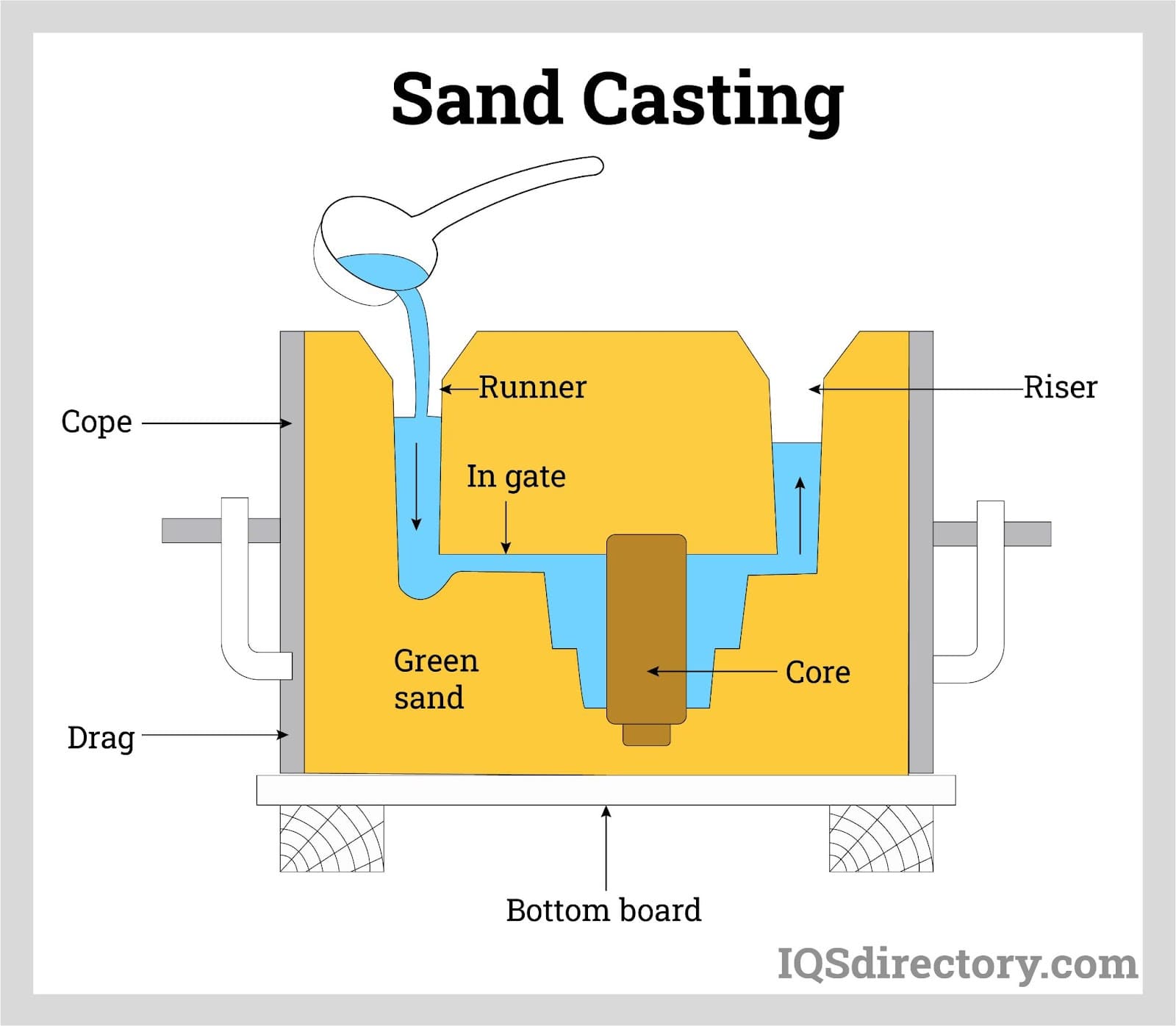
Forging rings, compared to casting or machining them, is an expensive and laborious process. However, forging rings can still be advantageous because the work produced will have superior strength. This superior strength exists because its grain is continuous, due to the fact that, as the metal is shaped during the forging process, its grain deforms to adapt the general shape of the piece.
Furthermore, a ring that is not forged runs the risk of compromised corrosion resistance and shape distortion, and it may require more repair down the line. For a ring that will stand the test of time, forging is the way to go.